
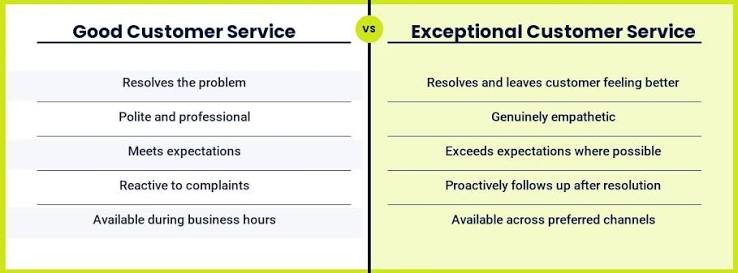
Exceptional client service is more than answering questions, resolving problems, or completing tasks on time. It is about creating an experience that makes clients feel Michael Rustom respected, understood, and confident in the service they receive. In competitive industries, strong client service can become one of the most valuable advantages a business or professional can develop.
Whether you work in sales, marketing, consulting, technology, hospitality, design, or another service-based field, improving your client service skills can help you build stronger relationships and encourage long-term collaboration. The good news is that these skills can be developed through consistent practice, feedback, and a willingness to understand client expectations.
Develop Strong Communication Skills
Clear communication is at the center of exceptional client service. Clients need to understand what is happening, what is expected from them, and when they can expect results. Confusing or incomplete communication can quickly create frustration.
Practice explaining ideas in simple and professional language. Avoid unnecessary technical terms unless the client is familiar with them. When discussing complicated subjects, break the information into smaller sections and provide practical examples when appropriate.
Written communication is equally important. Emails, reports, messages, and proposals should be organized and easy to understand. Before sending an important message, review it for clarity, tone, spelling, and accuracy.
Learn to Listen Actively
Good client service starts with listening rather than immediately responding. Active listening means paying close attention to what the client says and trying to understand the underlying need behind the request.
Instead of preparing your response while the client is speaking, focus on the complete message. Take notes when necessary and ask relevant follow-up questions. Repeating important points in your own words can also confirm that you understand the client’s expectations correctly.
For example, if a client requests a change to a project, clarify what they want changed, why the change matters, and when they need it completed. This approach reduces misunderstandings and demonstrates genuine attention.
Understand Client Expectations
Every client has different priorities. Some may value speed, while others may focus more heavily on accuracy, creativity, communication, or detailed reporting. Exceptional service requires understanding these differences.
At the beginning of a project, establish clear expectations about deadlines, deliverables, responsibilities, communication channels, and possible limitations. Do not assume that the client automatically understands your process.
A clear discussion at the start can prevent many problems later. When expectations change, communicate those changes promptly instead of allowing confusion to develop.
Improve Problem-Solving Abilities
Problems are unavoidable in professional relationships. A deadline may shift, a technical issue may occur, or a client may become dissatisfied with part of a project. Strong problem-solving skills help turn difficult situations into opportunities to demonstrate reliability.
When a problem appears, avoid focusing only on who is responsible. First identify what happened, determine the impact, and consider realistic solutions. Then communicate the situation honestly and explain the next steps.
A professional response might include an explanation of the issue, available options, an updated timeline, and the action you are taking. Clients often appreciate transparency more than unrealistic promises.
Build Emotional Intelligence
Emotional intelligence is another important skill for client service. It involves recognizing emotions, managing your own reactions, and responding appropriately to other people’s concerns.
A frustrated client may not always communicate their concerns calmly. Responding defensively can make the situation worse. Instead, remain professional and focus on understanding the concern.
Empathy does not mean agreeing with everything a client says. It means recognizing their perspective and responding respectfully. Statements such as acknowledging a delay or recognizing a concern can help create a more constructive conversation.
Become More Organized
Organization directly affects the quality of client service. Missed deadlines, forgotten messages, and incomplete tasks can damage trust even when the underlying work is good.
Use calendars, task-management systems, project boards, or simple checklists to keep track of commitments. Record important client requirements and deadlines rather than relying entirely on memory.
Prioritize tasks according to urgency and importance. When managing multiple clients, maintain separate records for each project so that information does not become mixed.
Strengthen Your Product or Industry Knowledge
Clients expect professionals to understand the services they provide. Developing strong technical and industry knowledge allows you to answer questions more confidently and provide useful recommendations.
Make continuous learning part of your routine. Read industry publications, attend training sessions, study new tools, and review changes that could affect your work.
You do not need to know everything. When you do not know an answer, avoid guessing. Explain that you will verify the information and then follow up with an accurate response. Honest communication builds more trust than confidently providing incorrect information.
Ask for Feedback
One of the fastest ways to improve client service is to learn directly from the people receiving your service. Ask clients for constructive feedback after completing a project or reaching an important milestone.
Instead of asking only whether they were satisfied, ask specific questions. For example, you might ask whether communication was clear, whether deadlines were handled effectively, and whether anything could have been improved.
Feedback can reveal weaknesses that are difficult to notice yourself. Treat useful criticism as an opportunity for professional development rather than as a personal attack.
Be Consistent and Reliable
Exceptional client service is built through consistency. A professional who communicates well once but regularly misses deadlines will struggle to maintain trust.
Create service habits that you can maintain over time. Respond to important messages within a reasonable period, provide progress updates when appropriate, meet agreed deadlines, and communicate early when circumstances change.
Reliability gives clients confidence that they can depend on you. Even small actions, such as confirming receipt of an important request or providing a brief progress update, can make a significant difference.
Learn to Manage Difficult Conversations
Difficult conversations are part of professional client relationships. A client may disagree with a recommendation, question a result, or request something outside the original agreement.
Approach these conversations calmly and professionally. Focus on facts, available solutions, and shared objectives. Avoid personal arguments or emotional language.
If a request is unrealistic, explain why and offer practical alternatives when possible. Setting respectful boundaries can actually strengthen a professional relationship because it creates clear expectations.
Create a Client-Centered Mindset
Finally, exceptional client service requires a client-centered mindset. This means looking beyond individual tasks and considering the overall experience.
Ask yourself how your work affects the client’s goals. Is the information easy to understand? Is the process convenient? Are potential problems being communicated early? Could you make the experience clearer or more efficient?
This mindset encourages professionals to become proactive rather than simply reactive. Instead of waiting for a client to identify a problem, look for ways to address potential concerns before they become significant.
Conclusion
Strengthening your skills for exceptional client service is an ongoing process. Communication, active listening, organization, emotional intelligence, problem-solving, industry knowledge, and reliability all contribute to a positive client experience.
The most effective professionals do not simply complete assignments; they build trust through consistent actions. They understand expectations, communicate clearly, handle challenges responsibly, and remain open to feedback.
By practicing these skills regularly, you can create stronger professional relationships and provide a service experience that clients value. Exceptional client service is ultimately about making every interaction useful, respectful, dependable, and focused on achieving meaningful results.