
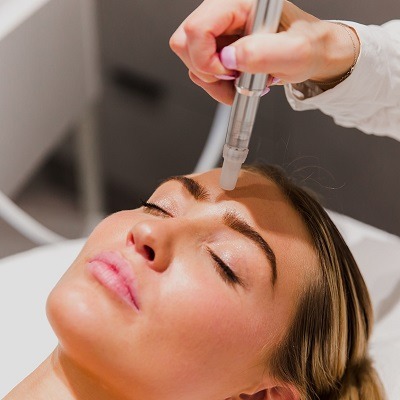
Laser treatments for skin tightening have gained significant popularity over the past decade. They promise a non-invasive solution to sagging skin, wrinkles, and other signs of aging, making them an appealing alternative to surgical procedures. However, as with any cosmetic treatment, there are numerous myths, misconceptions, and varying expectations surrounding their effectiveness. Understanding the science, benefits, and limitations of laser treatments for skin tightening can help individuals make informed decisions about their skincare journey.
Understanding Laser Treatments for Skin Tightening
Laser treatments for skin tightening use concentrated light energy to stimulate collagen production and improve skin elasticity. Collagen, a protein that provides structure to the skin, naturally declines with age, leading to wrinkles, sagging, and loss of firmness. By delivering controlled heat to the deeper layers of the skin, lasers encourage the body to produce new collagen and remodel existing tissue. This process results in smoother, tighter, and more youthful-looking skin over time.
There are different types of laser treatments available, including ablative and non-ablative lasers. Ablative lasers work by removing the outer layers of skin, promoting new skin growth, while non-ablative lasers heat the underlying skin tissue without damaging the surface. Each type has its advantages, downtime, and results, making it crucial for patients to consult with a qualified professional before starting any treatment.
Common Myths About Laser Treatments for Skin Tightening
Despite their popularity, laser treatments for skin tightening are often surrounded by myths that can mislead potential patients. One common misconception is that these treatments provide immediate, dramatic results. While improvements can be noticeable within a few weeks, optimal results usually take several months as collagen gradually rebuilds.
Another myth is that laser treatments are painful. Modern technology has significantly improved patient comfort, with most treatments described as mildly warm or tingling sensations. Additionally, topical anesthetics or cooling devices are often used to minimize discomfort during the procedure.
Some believe that laser treatments are suitable for everyone. However, certain skin types, underlying medical conditions, or a history of poor wound healing may affect eligibility and outcomes. It’s important to consult with a dermatologist or licensed practitioner to determine if laser treatments for skin tightening are appropriate for your specific needs.
How to Set Realistic Expectations
Setting realistic expectations is essential when considering laser treatments for skin tightening. While lasers can improve skin firmness, they are not a permanent cure for aging. Multiple sessions may be required for noticeable results, and maintenance treatments are often recommended to sustain improvements.
It’s also important to understand that lasers cannot drastically change facial features or replace surgical procedures for severe sagging. Patients should view laser treatments as a gradual enhancement rather than a dramatic transformation.
Recovery time is typically minimal compared to surgical alternatives. Non-ablative lasers often require little to no downtime, while ablative lasers may cause temporary redness, swelling, or peeling. Proper aftercare, including sun protection and moisturizing, is crucial to ensure optimal results and prevent complications.
The Science Behind Laser Treatments for Skin Tightening
Laser treatments for skin tightening rely on the principle of controlled thermal injury to stimulate collagen synthesis. When the skin is exposed to laser energy, the heat triggers fibroblast activity, which produces new collagen fibers. Over time, these fibers thicken and reorganize, providing structural support to the skin.
Advanced laser technologies, such as fractional lasers, target precise areas of the skin while leaving surrounding tissue untouched. This approach promotes faster healing, reduces the risk of complications, and allows for more uniform results. Additionally, some laser devices combine multiple wavelengths to address various layers of the skin, improving both surface texture and deeper elasticity.
Scientific studies have consistently shown that laser treatments can enhance skin firmness, reduce fine lines, and improve overall skin tone. However, results vary depending on age, skin condition, lifestyle factors, and adherence to recommended treatment plans.
Benefits of Laser Treatments for Skin Tightening
There are several advantages to choosing laser treatments for skin tightening over traditional surgical options. Non-invasive procedures generally involve minimal downtime, lower risk of complications, and less discomfort. Patients can often resume daily activities immediately after treatment.
Laser treatments also allow for gradual, natural-looking results, avoiding the “overdone” appearance sometimes associated with surgical lifts. They can be customized to target specific areas, such as the face, neck, or décolletage, and can complement other non-surgical treatments like dermal fillers or chemical peels.
Additionally, laser treatments can improve skin texture, reduce pigmentation, and minimize the appearance of scars, offering multiple cosmetic benefits in a single procedure.
Factors to Consider Before Undergoing Treatment
Before committing to laser treatments for skin tightening, several factors should be considered. Consultation with a licensed dermatologist or cosmetic practitioner is essential to assess skin type, concerns, and realistic outcomes.
Cost is another consideration, as multiple sessions are often required for optimal results. While laser treatments may seem expensive initially, the non-invasive nature and minimal downtime can make them a practical long-term investment compared to surgery.
Patients should also evaluate potential risks, including temporary redness, swelling, hyperpigmentation, or mild discomfort. Choosing an experienced professional and following aftercare instructions can significantly reduce these risks.
Combining Laser Treatments with a Healthy Skincare Routine
For best results, laser treatments for skin tightening should be complemented by a consistent skincare regimen. Using broad-spectrum sunscreen, maintaining hydration, and avoiding excessive sun exposure help protect the skin and prolong results.
Incorporating antioxidant-rich products and treatments that support collagen production can enhance the benefits of laser therapy. Healthy lifestyle choices, such as a balanced diet, regular exercise, and avoiding smoking, further contribute to maintaining skin elasticity and overall appearance.
Conclusion: Navigating Myths and Setting Expectations
Laser treatments for skin tightening offer a scientifically supported, non-invasive solution for improving skin firmness and reducing the visible effects of aging. By understanding the myths, facts, and realistic expectations, patients can make informed decisions and achieve satisfying results.
While lasers cannot completely stop the aging process, they provide a safe and effective option for individuals seeking subtle, natural-looking improvements. Consulting with a qualified professional, following proper aftercare, and maintaining a healthy skincare routine are key components of achieving long-lasting results. Laser treatments for skin tightening continue to evolve, offering innovative solutions for those looking to enhance their skin’s appearance without surgery.