
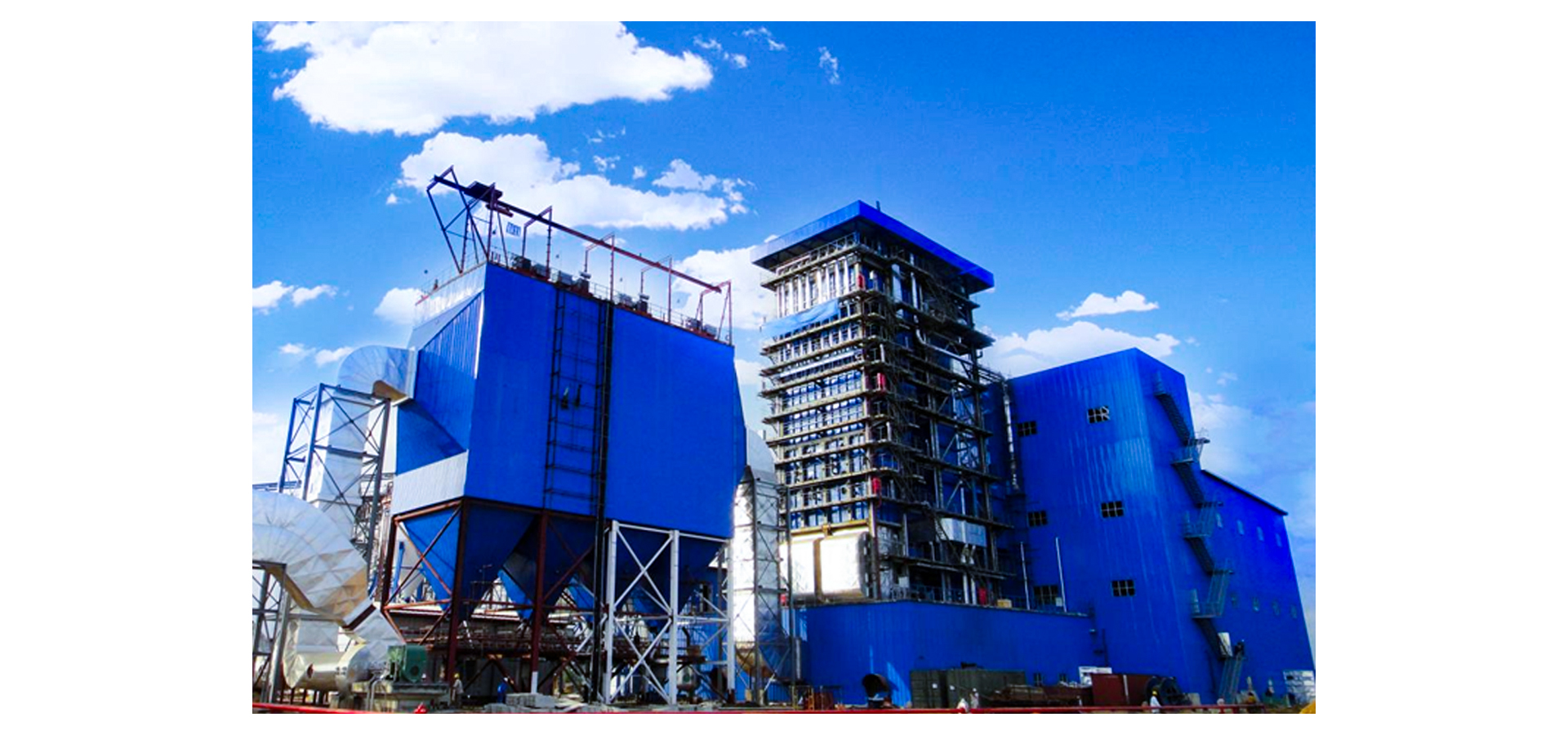
Small capacity biomass power plants are becoming increasingly important in the global pursuit of sustainable energy solutions. These plants convert organic materials like agricultural residues, wood chips, and energy crops into electricity, offering an eco-friendly alternative to fossil fuels. Optimizing the performance of small capacity biomass power plants is crucial for maximizing efficiency, reducing operational costs, and ensuring environmental compliance. A well-executed small capacity biomass power plant EPC (Engineering, Procurement, and Construction) project can deliver reliable energy while minimizing waste and emissions.
Understanding Small Capacity Biomass Power Plants
Small capacity biomass power plants typically range from a few hundred kilowatts to several megawatts. Unlike large-scale plants, they are designed to serve localized energy needs, such as small communities, industrial facilities, or rural areas. Their size makes them more flexible in terms of fuel sourcing and installation, but it also means that optimizing performance is vital to achieving cost-effectiveness and sustainability.
The core components of a small capacity biomass power plant include the fuel handling system, combustion chamber, boiler, turbine or engine, and generator. Each of these components plays a critical role in energy conversion efficiency. During a small capacity biomass power plant EPC process, careful planning is required to select the right technology and equipment to match the available biomass type and energy demand.
Importance of Efficient Design in Small Capacity Biomass Plants
The foundation of an optimized small capacity biomass power plant is its design. During the EPC phase, engineering experts analyze fuel characteristics, local climate conditions, and electricity requirements to determine the most suitable boiler and combustion system. Modern biomass boilers are designed to handle variable fuel types while maintaining high thermal efficiency. Choosing the correct boiler size and type reduces unburnt residues and ensures consistent power output.
Plant layout also impacts operational efficiency. A well-planned layout minimizes fuel transportation within the facility, reduces energy losses, and simplifies maintenance procedures. Engineers often use computational modeling during the EPC stage to simulate plant performance under different scenarios, helping to identify potential bottlenecks and optimize equipment placement.
Fuel Management Strategies
Fuel quality and management are pivotal in optimizing small capacity biomass power plants. Biomass fuel varies widely in moisture content, calorific value, and particle size, all of which affect combustion efficiency. Implementing a robust fuel handling and storage system reduces the risk of energy loss due to moisture or contamination.
Pre-treatment of biomass, such as drying, shredding, or pelletizing, can significantly enhance combustion efficiency. A small capacity biomass power plant EPC project should include an assessment of the most cost-effective pre-treatment method based on local biomass availability and characteristics. Regular monitoring of fuel quality and storage conditions also ensures consistent plant performance and reduces downtime caused by feeding issues.
Combustion Optimization
Optimizing the combustion process is central to enhancing energy efficiency. Advanced control systems can regulate air-fuel ratios, maintain optimal temperatures, and monitor flue gas emissions in real-time. These systems reduce unburnt carbon in ash and maximize heat release from biomass.
Combustion efficiency can also be improved by selecting the appropriate type of furnace. Fluidized bed combustors, for example, offer excellent fuel flexibility and high thermal efficiency for small capacity biomass power plants. During the EPC phase, engineers evaluate different combustion technologies to select one that balances efficiency, cost, and operational simplicity.
Heat Recovery and Energy Integration
A key aspect of optimizing small capacity biomass power plants is effective heat recovery. The heat generated during combustion can be utilized for power generation, district heating, or industrial processes. Implementing high-efficiency boilers and economizers ensures maximum extraction of usable energy from the fuel.
Combined heat and power (CHP) systems are particularly effective in small capacity biomass plants, allowing simultaneous production of electricity and heat. Integrating energy recovery systems during the EPC stage improves overall plant efficiency and provides additional revenue streams by supplying heat to nearby facilities.
Automation and Control Systems
Modern small capacity biomass power plants benefit greatly from automation and smart control systems. These systems enable continuous monitoring of key parameters such as temperature, pressure, fuel feed rate, and emissions. By automating routine processes, plants can achieve more stable operation and quickly respond to variations in fuel quality or energy demand.
During a small capacity biomass power plant EPC project, implementing a robust automation system should be a priority. Advanced software can optimize combustion, manage fuel handling, and provide predictive maintenance alerts. This reduces operational costs and minimizes unplanned outages, ensuring that the plant operates at peak efficiency.
Maintenance and Operational Practices
Proper maintenance is critical for sustaining optimal performance in small capacity biomass power plants. Scheduled inspections, cleaning, and replacement of worn components prevent efficiency losses and extend equipment life. Common maintenance tasks include boiler descaling, ash removal, and turbine or engine servicing.
Training plant personnel is also essential. Skilled operators can recognize performance deviations, adjust operating parameters, and implement best practices in fuel handling and combustion. An effective training program during the EPC phase ensures that plant staff can maintain high performance levels over the long term.
Environmental Considerations
Optimization efforts must also consider environmental compliance. Small capacity biomass power plants produce emissions such as particulate matter, nitrogen oxides, and carbon monoxide. Implementing flue gas treatment systems, like cyclones, bag filters, or scrubbers, helps reduce pollutants. Monitoring emissions continuously ensures adherence to regulatory standards and supports sustainable operation.
Additionally, optimizing ash management and utilizing residual biomass for soil enrichment or other applications minimizes environmental impact. A sustainable approach not only enhances the plant’s reputation but also improves long-term operational efficiency.
Financial and Economic Optimization
An optimized small capacity biomass power plant is not only technically efficient but also economically viable. Careful project planning during the EPC stage includes cost analysis for equipment, fuel sourcing, and operation. Selecting durable, energy-efficient components reduces maintenance expenses and improves the plant’s return on investment.
Revenue optimization can also be achieved through power sales agreements, carbon credit programs, or integration with district heating networks. By combining technical, environmental, and financial strategies, small capacity biomass power plants can achieve sustainable profitability.
Conclusion
Optimizing a small capacity biomass power plant requires a holistic approach that covers engineering design, fuel management, combustion control, energy recovery, automation, maintenance, environmental compliance, and economic planning. A well-executed small capacity biomass power plant EPC project ensures that the facility operates efficiently, reliably, and sustainably. By integrating advanced technologies and best practices, small capacity biomass plants can contribute significantly to clean energy generation while supporting local communities and industries. With careful planning and continuous improvement, these plants offer a scalable and environmentally responsible energy solution for the future.
This approach to optimization not only improves energy output and cost-effectiveness but also strengthens the role of biomass in the global renewable energy landscape.