
The Evolution of Beverage Culture and Social Identity
Beverage culture is more than just what people drink; it is a reflection of history, identity, and shared human behavior. Across civilizations, drinks have played a central role in shaping rituals, traditions, and everyday social interactions. From ancient tea ceremonies in Asia to modern coffee shop meetups in urban cities, beverage culture influences how people connect, communicate, and create meaning in their daily lives.
In early societies, beverages were often tied to survival and ritual. Water, fermented drinks, and herbal infusions were not only consumed for hydration but also for medicinal and ceremonial purposes. Over time, as trade routes expanded and globalization increased, new ingredients and preparation methods transformed beverage culture into a diverse global phenomenon. Today, drinks are deeply embedded in social experiences, shaping everything from business meetings to casual gatherings.
How Beverage Culture Builds Social Connections
One of the most powerful aspects of beverage culture is its ability to bring people together. Sharing a drink often serves as an icebreaker, a gesture of hospitality, or a symbol of friendship. Whether it is coffee with colleagues, tea with guests, or smoothies at a health café, beverages create a relaxed environment where conversations flow naturally.
In many cultures, offering a drink is considered a sign of respect and welcome. For example, in Middle Eastern traditions, serving tea or coffee to guests is a deeply rooted practice that signifies generosity and warmth. Similarly, in Western societies, meeting someone for coffee has become a standard way to establish personal and professional relationships. These small rituals demonstrate how beverage culture shapes human interaction on a daily basis.
The Role of Coffee in Modern Beverage Culture
Coffee has become one of the most influential forces in global beverage culture. It is no longer just a morning drink; it is a social experience, a lifestyle choice, and even a workspace environment. Coffee shops have evolved into cultural hubs where people work, study, meet friends, or simply observe daily life.
The rise of specialty coffee has also transformed how people perceive quality and experience. Baristas are now seen as skilled artisans, and coffee preparation has become a craft that emphasizes origin, roasting methods, and brewing techniques. This shift has added depth to beverage culture by encouraging consumers to appreciate the story behind their drink.
Moreover, coffee culture has influenced modern work habits. Remote workers and freelancers often rely on cafés as alternative offices, reinforcing the idea that beverages are closely tied to productivity and social engagement.
Tea Traditions and Their Cultural Significance
Tea holds a unique place in beverage culture due to its deep historical and cultural roots. In countries like China, Japan, India, and the United Kingdom, tea is more than a beverage; it is a tradition that reflects values, etiquette, and social structure.
In Japan, the tea ceremony emphasizes mindfulness, respect, and harmony. Every movement is intentional, turning the act of drinking tea into a meditative experience. In contrast, British tea culture focuses on comfort and social conversation, often centered around afternoon tea gatherings. In India, chai is a daily ritual shared among friends, families, and street vendors, creating moments of connection in everyday life.
These diverse traditions highlight how beverage culture adapts to different societies while maintaining its core purpose: bringing people together through shared experience.
Modern Beverage Trends and Lifestyle Influence
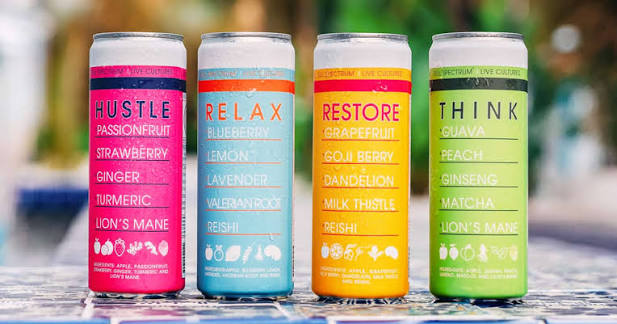
In recent years, beverage culture has expanded beyond traditional drinks to include a wide range of innovative and health-focused options. Smoothies, kombucha, plant-based milks, and functional beverages have become increasingly popular among younger generations. These drinks are often associated with wellness, fitness, and lifestyle identity.
Social media has played a major role in shaping modern beverage trends. Visually appealing drinks such as colorful iced coffees, matcha lattes, and artisan cocktails are widely shared online, turning beverages into aesthetic experiences. This digital exposure has influenced consumer preferences and encouraged brands to focus on presentation as much as taste.
At the same time, sustainability has become an important factor in beverage culture. Consumers are more aware of environmental impact, leading to increased demand for eco-friendly packaging, ethically sourced ingredients, and reduced waste practices.
Alcohol and Social Rituals in Beverage Culture
Alcoholic beverages also play a significant role in social traditions across many cultures. From wine in European dining culture to sake in Japanese ceremonies, alcoholic drinks often symbolize celebration, relaxation, and social bonding.
Bars, pubs, and lounges serve as important social spaces where people gather to unwind and connect. These environments are designed to encourage conversation and shared experiences. However, modern beverage culture is also seeing a rise in mindful drinking, where people choose lower-alcohol or alcohol-free alternatives while still participating in social rituals.
This shift reflects a broader change in lifestyle preferences, where health consciousness and moderation are becoming more important without eliminating social participation.
The Psychology Behind Beverage Choices
Beverage culture is also deeply connected to psychology. The drinks people choose often reflect their mood, personality, and environment. For example, coffee is commonly associated with alertness and productivity, while herbal tea is linked to relaxation and calmness. Sugary beverages may be connected to comfort or emotional reward.
Social settings also influence beverage decisions. People tend to align their choices with group norms, ordering similar drinks to feel included or socially synchronized. This behavior highlights how beverages function as both personal preferences and social signals.
Additionally, branding and marketing play a strong role in shaping perceptions. The way a beverage is presented, advertised, and experienced can significantly impact how people feel about it, further reinforcing its place in modern beverage culture.
Beverage Culture in a Globalized World
Globalization has blended traditional and modern beverage practices, creating a diverse and interconnected beverage culture. Drinks that were once region-specific are now enjoyed worldwide. Bubble tea, espresso, matcha, and craft cocktails have all crossed cultural boundaries and become global favorites.
This exchange of beverage traditions has led to innovation and fusion. Cafés and restaurants often combine flavors and techniques from different cultures to create unique drink experiences. As a result, beverage culture continues to evolve, reflecting the dynamic nature of global society.
At the same time, cultural appreciation and authenticity remain important. Many communities strive to preserve traditional beverage practices while sharing them with a broader audience. This balance between innovation and preservation is a defining feature of today’s beverage landscape.
The Future of Beverage Culture
Looking ahead, beverage culture will likely continue to evolve alongside technology, health trends, and environmental awareness. Personalized nutrition, AI-driven drink recommendations, and sustainable production methods may shape the next generation of beverages.
However, the core essence of beverage culture will remain unchanged. Drinks will continue to serve as a medium for connection, expression, and shared experience. Whether it is a simple cup of tea or an elaborate crafted cocktail, beverages will always play a central role in how people interact and build relationships.
Ultimately, beverage culture is not just about consumption; it is about experience, identity, and human connection.