
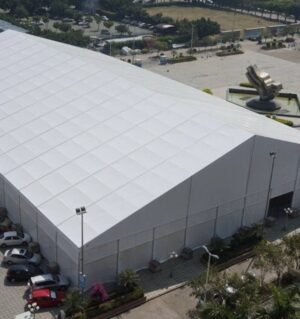
When it comes to protecting goods in storage or transport, having the right warehouse tarpaulin is essential. A high-quality tarpaulin safeguards inventory from environmental factors such as rain, dust, UV rays, and moisture, ensuring that products remain in optimal condition. However, selecting the right tarpaulin can be overwhelming given the variety of materials, sizes, and specifications available in the market. This guide will help you make an informed decision when purchasing a warehouse tarpaulin for your business or storage facility.
Understanding Warehouse Tarpaulin
A warehouse tarpaulin is a durable, heavy-duty sheet designed to cover and protect items stored in warehouses, trucks, or outdoor spaces. It serves as a barrier against weather conditions, physical damage, and contamination. While commonly used in industrial and commercial storage, tarpaulins are also versatile enough for construction sites, agriculture, and logistics applications.
The quality and longevity of a warehouse tarpaulin depend on the material used, the thickness, coating, and reinforcement features such as grommets and hems. Investing in the right tarpaulin can save significant costs associated with damaged inventory and maintenance.
Key Materials for Warehouse Tarpaulin
Choosing the right material is the first step in selecting an effective warehouse tarpaulin. Here are the most common options:
- PVC Tarpaulin: PVC (Polyvinyl Chloride) tarpaulins are among the most popular options for warehouse storage. They are waterproof, UV-resistant, and highly durable, making them suitable for outdoor and long-term use.
- Polyethylene (PE) Tarpaulin: PE tarpaulins are lightweight and affordable. They are often used for temporary storage or seasonal coverage. While resistant to water, they may not be as durable under harsh weather conditions.
- Canvas Tarpaulin: Made from natural cotton or polyester, canvas tarpaulins are breathable, reducing condensation under the cover. They are suitable for storing perishable items but may require treatment for water resistance.
Choosing the Right Size
Selecting the correct size is critical when buying a warehouse tarpaulin. An undersized tarpaulin will leave items exposed, while an oversized one may be cumbersome and harder to secure. Measure the dimensions of your storage racks, pallets, or equipment to determine the appropriate length and width. Many tarpaulins come with custom size options to fit specific requirements.
Assessing Thickness and Durability
Thickness is often measured in grams per square meter (gsm) or mils. A thicker tarpaulin provides better protection against tears, punctures, and harsh environmental conditions. For warehouse applications, a medium to heavy-duty warehouse tarpaulin is recommended to withstand repeated use and handling. Reinforced edges and grommets improve durability, especially for frequent covering and uncovering of goods.
Weather Resistance Features
Weather resistance is a major factor when choosing a warehouse tarpaulin. Look for the following:
- Waterproofing: Prevents water seepage and protects goods from rain and humidity.
- UV Protection: Shields the items from sun damage, especially for outdoor storage.
- Wind Resistance: Sturdy tarpaulins with reinforced edges can withstand strong winds without tearing.
A high-quality tarpaulin with these features ensures that your inventory remains safe, even in challenging environmental conditions.
Ease of Handling and Storage
Practicality is key when investing in a warehouse tarpaulin. Consider tarpaulins that are lightweight and easy to fold, transport, and store when not in use. Handles, grommets, and ropes can simplify installation, securing, and removal, saving time and labor in warehouse operations.
Customization Options
Many suppliers offer customization options for warehouse tarpaulin. These include printed logos, specific color coding for different inventory types, and tailored dimensions to fit non-standard storage spaces. Customization not only enhances functionality but also improves warehouse organization and branding.
Cost Considerations
While price should not be the sole deciding factor, it is important to balance cost with quality. Investing in a durable warehouse tarpaulin can prevent frequent replacements and protect high-value inventory, ultimately saving money. Comparing prices across suppliers and considering bulk purchases can also offer cost benefits.
Maintenance Tips
Proper maintenance extends the life of a warehouse tarpaulin. Regularly inspect for tears, punctures, or wear along edges. Clean with mild soap and water to remove dust or debris and allow it to dry completely before storage. Avoid storing tarpaulins in direct sunlight or damp areas when not in use to prevent degradation.
Choosing a Reliable Supplier
Selecting a reputable supplier is crucial for obtaining a high-quality warehouse tarpaulin. Look for suppliers who offer:
- Durable, tested materials
- Warranty or quality guarantees
- Customization and bulk purchase options
- Positive reviews from other warehouse operators
A reliable supplier ensures consistent quality and support, making your purchase worthwhile.
Conclusion
Choosing the right warehouse tarpaulin is a strategic decision that impacts the safety and longevity of your stored goods. By considering material, size, thickness, weather resistance, ease of handling, and supplier reliability, you can make an informed choice that suits your warehouse needs. Investing in a high-quality tarpaulin not only protects inventory but also enhances overall operational efficiency. Proper care and maintenance will ensure that your warehouse tarpaulin continues to serve its purpose effectively for years to come.
By following this guide, you can confidently select the most suitable warehouse tarpaulin for your storage needs, ensuring that your inventory remains protected and your warehouse operations run smoothly.