
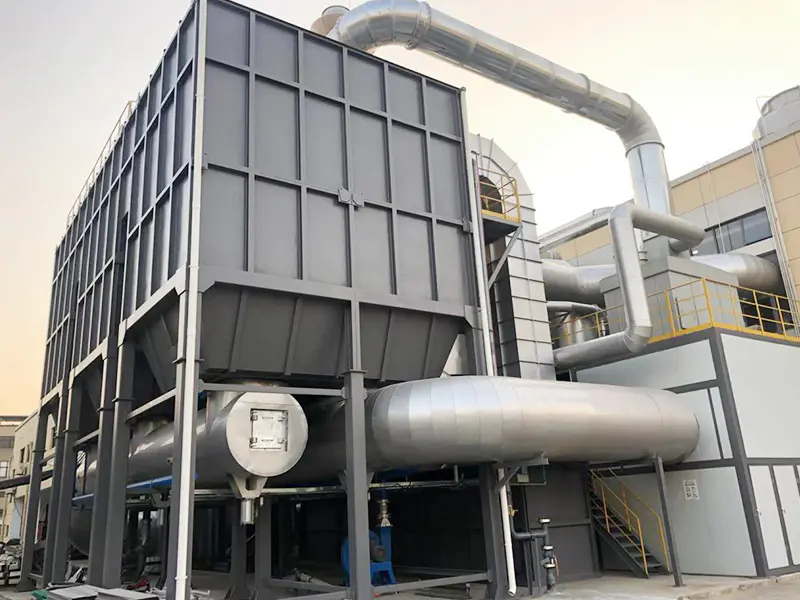
Choosing the right VOC treatment supplier for your facility is a critical decision that impacts environmental compliance, worker safety, and operational efficiency. Volatile Organic Compounds (VOCs) are chemical compounds that can evaporate into the air and contribute to air pollution and health hazards. Selecting the right partner to manage and treat VOC emissions ensures your facility operates within regulatory standards while maintaining safety and efficiency. Here’s a comprehensive guide to making the best choice.
Understanding Your VOC Treatment Needs
Before evaluating suppliers, it’s essential to understand your facility’s specific VOC treatment requirements. Different industries produce different types and concentrations of VOCs, ranging from solvents in manufacturing to paints in industrial facilities. Knowing the volume, concentration, and types of VOCs generated helps in selecting a supplier capable of handling your unique situation. Consider conducting an initial VOC audit or environmental assessment to quantify emissions and identify the most effective treatment methods for your operations.
Assessing Regulatory Compliance Expertise
A top-quality VOC treatment supplier should have a thorough understanding of environmental regulations and industry standards. Compliance with local, state, and federal guidelines is non-negotiable, as failure to meet requirements can result in costly fines and legal issues. Check whether the supplier stays up to date with changing regulations and can provide documentation of past compliance successes. Their expertise should include knowledge of the Environmental Protection Agency (EPA) standards, Occupational Safety and Health Administration (OSHA) guidelines, and any region-specific environmental regulations.
Evaluating Treatment Technologies
VOC treatment suppliers use a variety of technologies to reduce or eliminate emissions. Common methods include thermal oxidation, catalytic oxidation, carbon adsorption, biofiltration, and condensation. Each technology has advantages and limitations based on the type of VOCs and the scale of emissions. Evaluate suppliers based on the breadth and quality of their technology solutions, and ensure they can recommend a treatment system tailored to your facility’s needs. Ask for case studies or examples where their technology successfully addressed similar challenges.
Experience and Industry Reputation
The experience of a VOC treatment supplier often correlates with the reliability and effectiveness of their services. Look for suppliers with a proven track record in your industry. Experienced suppliers are better equipped to anticipate potential issues and optimize VOC treatment processes. Seek references, client testimonials, and industry certifications that demonstrate credibility. Suppliers recognized for quality service and innovation in VOC management are likely to provide better long-term support and performance.
Customized Solutions and Flexibility
Facilities have unique operational requirements, and a one-size-fits-all approach rarely works for VOC treatment. The right supplier should offer customized solutions that align with your facility’s workflow, production schedules, and budget constraints. Flexibility in designing and adjusting treatment systems ensures that your operations continue smoothly while maintaining compliance. Suppliers should be willing to collaborate with your engineering and environmental teams to develop solutions that integrate seamlessly into your facility.
Service and Maintenance Support
VOC treatment systems require ongoing maintenance to function efficiently and comply with regulations. Evaluate the level of service and support a supplier offers, including preventive maintenance, troubleshooting, and emergency response. A supplier with robust after-sales support ensures minimal downtime and extends the lifespan of your treatment equipment. Consider suppliers that provide training for your staff on system operation and safety protocols, as this contributes to overall efficiency and reliability.
Cost Considerations and ROI
While cost should not be the sole deciding factor, it is an important consideration. Assess the total cost of ownership, including installation, operation, maintenance, and potential downtime. Compare the pricing structures of different VOC treatment suppliers, and weigh them against the quality of service and technology offered. A slightly higher upfront investment may be justified if it results in more efficient, durable, and compliant treatment solutions. Look for suppliers who can provide clear cost-benefit analyses and potential ROI based on reduced emissions, energy savings, and regulatory compliance.
Innovation and Technology Advancement
Environmental regulations and treatment technologies are constantly evolving. Choose a VOC treatment supplier that demonstrates a commitment to innovation and staying ahead of industry trends. Suppliers investing in research and development can offer more advanced, energy-efficient, and environmentally friendly solutions. Their proactive approach to innovation can future-proof your VOC treatment processes and ensure your facility remains compliant as standards tighten over time.
Conducting On-Site Assessments and Demos
Before finalizing a supplier, request on-site assessments or demonstrations of their VOC treatment systems. Observing equipment in action and understanding installation requirements helps determine practical compatibility with your facility. On-site evaluations allow your team to ask detailed questions, verify performance claims, and ensure that the treatment solutions meet your operational needs. A supplier willing to provide thorough demonstrations demonstrates confidence in their technology and transparency in service.
Environmental Commitment and Sustainability
A responsible VOC treatment supplier should prioritize environmental sustainability alongside regulatory compliance. Evaluate their environmental policies, energy efficiency initiatives, and commitment to reducing carbon footprints. Suppliers with a strong environmental ethos not only help you comply with regulations but also enhance your facility’s reputation and contribute to long-term sustainability goals. Consider suppliers that integrate eco-friendly materials, energy-saving technologies, and responsible disposal practices in their VOC treatment solutions.
Building Long-Term Partnerships
Selecting a VOC treatment supplier is not just about installing equipment; it’s about establishing a long-term partnership. Look for suppliers that value collaboration, transparency, and ongoing communication. Strong partnerships foster continuous improvement, adaptive solutions, and support for emerging challenges. A supplier who acts as a trusted advisor can help your facility navigate regulatory changes, optimize treatment efficiency, and maintain operational excellence over time.
Making Your Decision
Choosing the right VOC treatment supplier requires a comprehensive evaluation of technical expertise, regulatory knowledge, service support, and alignment with your facility’s unique needs. Create a checklist of essential criteria, including technology capabilities, compliance experience, service offerings, environmental commitment, and cost-effectiveness. Compare multiple suppliers, request proposals, and verify references to ensure that the selected partner meets all your expectations.
A well-chosen VOC treatment supplier not only ensures regulatory compliance but also improves safety, operational efficiency, and environmental responsibility. By carefully considering your facility’s needs, evaluating supplier expertise, and assessing long-term support, you can select a partner who will help your operations thrive while minimizing VOC emissions and protecting the environment.