
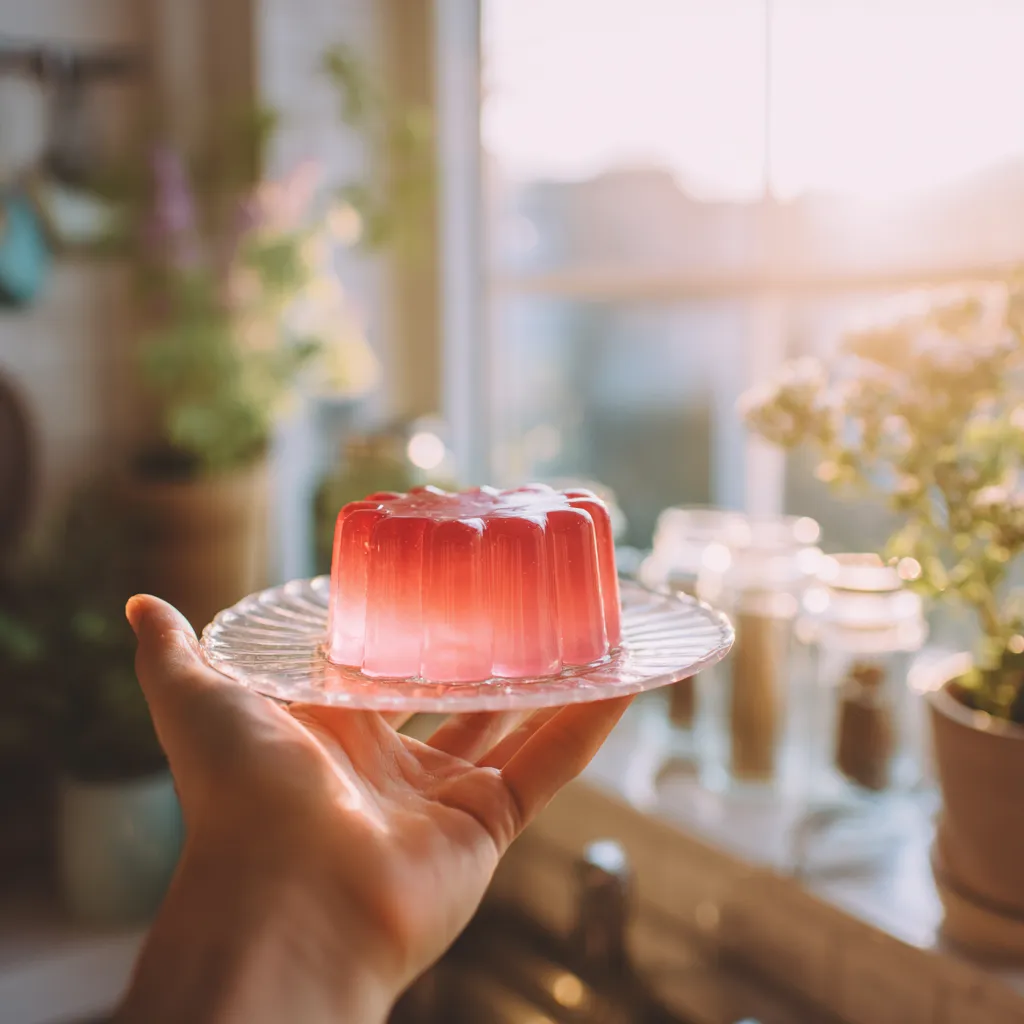
The pink gelatin method is a unique technique widely used in various fields, including laboratory research, culinary experiments, and even some niche scientific studies. Despite its seemingly playful name, the method is highly effective when applied correctly. This article explores the pink gelatin method, breaking down its uses, preparation, and best practices to ensure optimal results.
Understanding the Pink Gelatin Method
The pink gelatin method is based on the properties of gelatin, which is a natural polymer derived from animal collagen. Gelatin’s unique ability to form semi-solid gels when dissolved in warm water and cooled makes it an excellent medium for experiments requiring controlled environments. The addition of pink coloring is more than aesthetic—it often serves as a visual indicator for observing reactions or results within the gelatin matrix.
At its core, the pink gelatin method relies on precise measurements, temperature control, and timing. Understanding these principles is essential before attempting to use the method effectively.
Materials Needed for the Pink Gelatin Method
To execute the pink gelatin method properly, you will need a few essential materials:
- Gelatin powder (preferably high-quality, unflavored)
- Distilled water to ensure purity and consistency
- Pink food coloring or a suitable dye for visibility
- Measuring cups and spoons for accurate proportions
- A heat-resistant container for mixing
- Stirring utensils to achieve uniform blending
- Optional additives depending on the experiment or project
Having all materials prepared beforehand is a key step in preventing errors and ensuring the gelatin sets correctly.
Step-by-Step Guide to Using the Pink Gelatin Method
Preparing the Gelatin Solution
The first step in the pink gelatin method is dissolving gelatin powder in warm water. Start by sprinkling gelatin evenly over a small amount of cold water. This allows the granules to bloom, absorbing water and preventing clumping. After blooming, slowly heat the mixture while stirring gently until the gelatin is fully dissolved. Avoid boiling, as high temperatures can destroy the gel-forming properties.
Once dissolved, add the pink coloring gradually, stirring to achieve an even hue. The intensity of the pink can be adjusted depending on visibility needs or personal preference.
Pouring and Setting
The next phase in the pink gelatin method involves pouring the solution into the chosen mold or container. Pour slowly to avoid creating bubbles, which can interfere with visual clarity or experimental outcomes. Once poured, allow the gelatin to cool at room temperature for several minutes, then transfer it to the refrigerator. Cooling ensures the gelatin forms a firm yet flexible gel, suitable for manipulation or observation.
Observing and Recording Results
One of the strengths of the pink gelatin method is its ability to visually track changes. The pink color makes it easier to detect movement, reactions, or diffusion within the gelatin. Whether used in culinary applications to observe texture changes or in laboratory experiments to monitor biological processes, documenting results with photographs or notes enhances the method’s effectiveness.
Tips for Effective Use of the Pink Gelatin Method
Consistency is Key
Maintaining consistent proportions of gelatin, water, and coloring is essential. Inconsistent measurements can lead to uneven setting, affecting the accuracy and reliability of the method.
Temperature Control
Temperature plays a critical role in the pink gelatin method. Gelatin sets best at cool temperatures but melts at relatively low heat. Avoid exposing prepared gelatin to direct sunlight or warm environments to maintain its structure.
Avoiding Air Bubbles
Air bubbles can interfere with results, especially in experiments requiring clear visibility. Pour the gelatin slowly and stir gently during preparation to minimize trapped air.
Customization
The pink gelatin method can be adapted for various purposes. For culinary projects, adding flavors or other edible components can enhance the user experience. In scientific or educational contexts, incorporating indicators or markers can provide additional data points for analysis.
Reusability and Storage
Prepared gelatin can be stored in sealed containers in the refrigerator for several days. This makes the pink gelatin method convenient for ongoing projects or repeated observations.
Common Mistakes to Avoid
While the pink gelatin method is simple in principle, there are common mistakes beginners should watch out for.
- Overheating the gelatin solution can prevent proper setting.
- Skipping the blooming step may result in clumps or uneven gels.
- Using excessive coloring can obscure observations rather than enhance them.
- Neglecting to allow the gelatin to cool fully can cause structural issues during handling.
Awareness of these pitfalls ensures better results and more reliable outcomes when using the method.
Applications of the Pink Gelatin Method
The versatility of the pink gelatin method makes it useful across multiple domains.
- Educational Demonstrations: Teachers and educators use the method to visually demonstrate concepts like diffusion, chemical reactions, or even cellular movement.
- Laboratory Experiments: The gelatin serves as a semi-solid medium for experiments involving microorganisms, enzyme activity, or chemical diffusion.
- Culinary Arts: Chefs and bakers use colored gelatin to create visually appealing desserts, layered treats, and artistic presentations.
- Creative Projects: From art installations to science projects, the pink gelatin provides a flexible medium for experimentation.
Each application benefits from the method’s combination of clarity, flexibility, and ease of observation.
Enhancing Results with Advanced Techniques
Once familiar with the basics, users of the pink gelatin method can explore advanced techniques to improve results. Layering gelatin with different colors, incorporating microbeads or edible decorations, and manipulating gel textures are all strategies to enhance effectiveness. Additionally, controlled temperature changes can be used to create gradient effects or specialized textures within the gel.
Conclusion
The pink gelatin method is a highly adaptable and effective technique when used correctly. Its success depends on understanding the properties of gelatin, precise preparation, careful temperature management, and attention to detail. Whether used in a laboratory, classroom, culinary kitchen, or creative project, this method provides clear visual results and versatile applications. By following the steps outlined in this guide and avoiding common mistakes, anyone can use the pink gelatin method effectively to achieve consistent and impressive outcomes.