
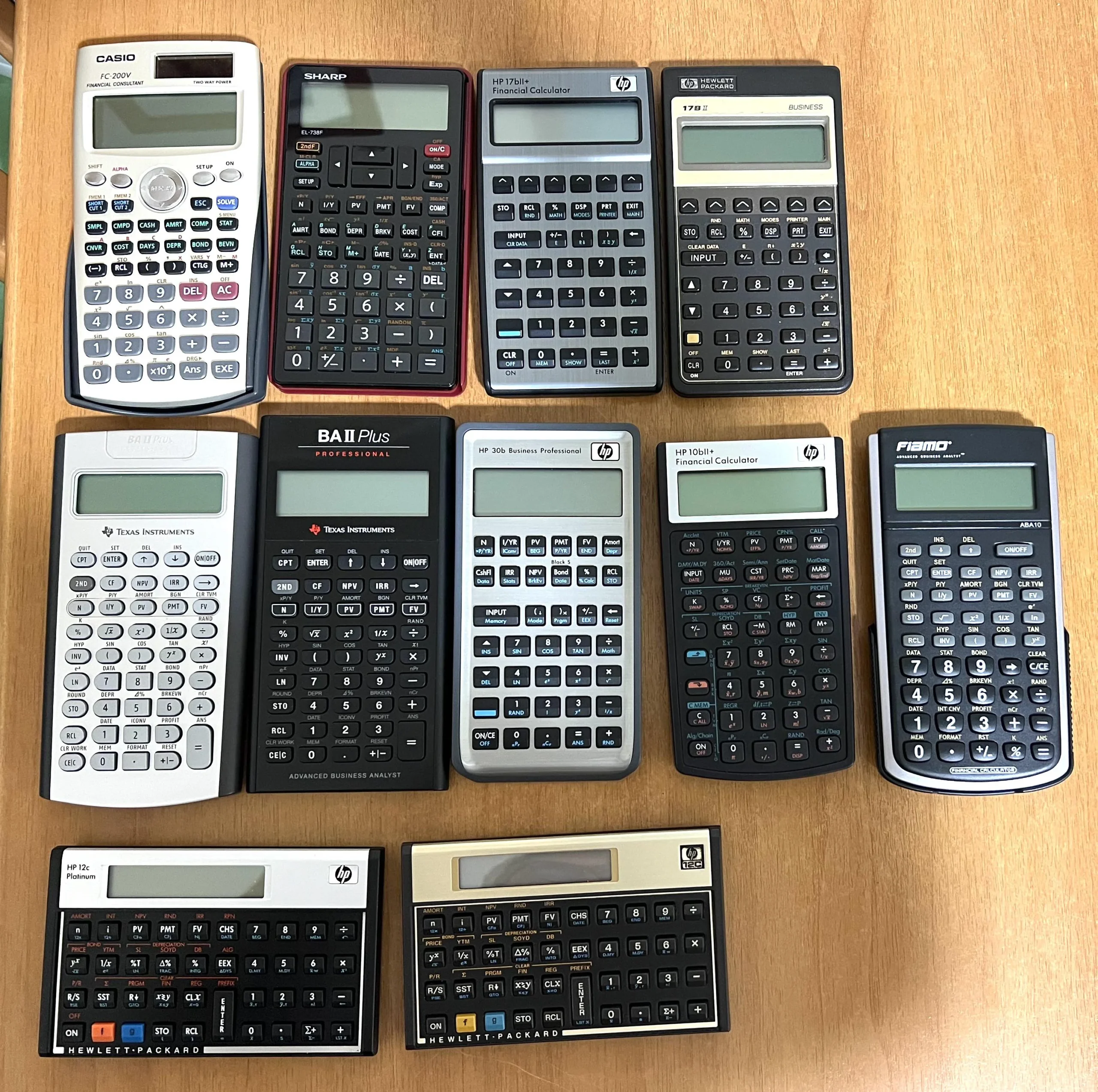
Managing money effectively does not always require advanced financial knowledge. For many people, the biggest challenge is simply understanding where their money goes, how much they can afford, and what different financial decisions may cost over time. This is where calculators for finance can become valuable everyday tools.
Financial calculators turn complicated numbers into simple estimates. Whether you are planning a monthly budget, paying off debt, saving for a major purchase, or considering an investment, the right calculator can help you make more informed decisions. For budget-conscious individuals, these tools can make financial planning easier, faster, and more practical.
Why Financial Calculators Matter
A budget can look straightforward until you begin adding income, expenses, debt payments, savings goals, interest, and unexpected costs. Even a small calculation mistake can affect your overall plan.
Calculators for finance help reduce this problem by handling mathematical calculations quickly. Instead of manually working through percentages, interest rates, or payment schedules, you can enter your information and receive an estimate within seconds.
These calculators are especially useful for people who want to understand the financial consequences of everyday decisions. For example, before taking out a loan, you can estimate monthly payments. Before purchasing an expensive item, you can calculate how long it may take to save for it.
Monthly Budget Calculator
One of the simplest and most useful financial tools is a monthly budget calculator. It helps you compare your monthly income with regular expenses.
Start by entering sources of income such as salary, freelance earnings, business income, or other regular payments. Then add expenses such as housing, utilities, groceries, transportation, insurance, subscriptions, entertainment, and debt payments.
The calculator can show how much money remains after expenses. This remaining amount can then be divided between savings, investments, emergency funds, and discretionary spending.
A budget calculator can also reveal spending categories that may need attention. If a large portion of your income is consistently going toward nonessential expenses, seeing the numbers clearly may make it easier to adjust your habits.
Loan Payment Calculator
Loans can become expensive when interest and long repayment periods are involved. A loan payment calculator helps estimate how much you may need to pay each month.
You typically enter the loan amount, interest rate, and repayment period. The calculator then estimates the monthly payment and, depending on the tool, the total interest paid over the life of the loan.
This can be helpful when comparing different loan terms. A longer repayment period may reduce the monthly payment but can result in more interest being paid overall. A shorter term may require larger monthly payments but potentially reduce total interest.
Understanding this difference can help budget-conscious borrowers evaluate affordability beyond the monthly payment alone.
Mortgage Calculator
For people considering a home purchase, a mortgage calculator can provide an initial estimate of housing costs.
Besides the loan amount and interest rate, some mortgage calculators allow users to include the down payment, property taxes, homeowners insurance, and other expenses. This creates a broader picture of potential monthly housing costs.
Using a mortgage calculator before shopping for a property can help establish a realistic price range. It can also demonstrate how changes in the down payment or interest rate may affect monthly payments.
However, calculator results are estimates. Actual mortgage costs depend on the lender, loan product, fees, taxes, insurance, and other factors.
Savings Goal Calculator
Saving money becomes easier when a vague goal is converted into a specific number. A savings goal calculator can help determine how much you need to save regularly to reach a target amount.
Suppose you want to save for a vacation, emergency fund, education, vehicle, or other major expense. Enter the target amount, current savings, expected return if applicable, and desired timeframe.
The calculator can estimate the amount you may need to save each month. This makes a large goal feel more manageable because it becomes a series of smaller contributions.
Compound Interest Calculator
Compound interest is an important concept for long-term saving and investing. A compound interest calculator demonstrates how money can grow when earnings are reinvested over time.
You can usually enter an initial amount, regular contributions, interest or return rate, and investment period. The calculator then estimates potential future growth.
The results can illustrate why starting early may matter. Even relatively modest regular contributions can potentially become significant over long periods when returns are compounded.
Because investment returns are uncertain, however, calculated results should be treated as illustrations rather than guarantees.
Debt Payoff Calculator
People managing credit cards, personal loans, or other debts can use a debt payoff calculator to create a repayment strategy.
By entering the balance, interest rate, and planned monthly payment, you can estimate how long repayment could take. Some calculators also allow comparisons between different payment amounts.
Increasing a monthly payment, even by a manageable amount, may reduce the repayment period and interest cost. Seeing these potential differences can encourage more deliberate debt management.
Retirement Calculator
Retirement planning can seem difficult because it involves many years of saving and uncertain future expenses. A retirement calculator provides a starting point for estimating how much you may need.
Typical inputs include current age, expected retirement age, current savings, regular contributions, estimated investment returns, and expected retirement expenses.
The results can help identify whether your current savings rate appears consistent with your long-term goals. Since future inflation, investment returns, income, and expenses can vary, retirement calculator results should be reviewed periodically rather than treated as fixed predictions.
Investment Return Calculator
An investment return calculator can help estimate how an investment might grow under different assumptions. It may account for an initial investment, additional contributions, investment period, and an assumed rate of return.
This can be useful when comparing saving strategies or understanding the potential impact of regular contributions.
It is important to remember that projected investment returns are not guaranteed. Market investments can lose value, and actual performance may differ substantially from calculator assumptions.
Tax Calculator
Taxes can have a significant impact on take-home income and financial planning. A tax calculator can provide an estimate of tax liability or net income based on relevant information.
Tax rules differ between countries and can change over time, so it is important to use calculators designed for the appropriate jurisdiction and tax year.
For complicated situations, professional tax advice may be more appropriate than relying solely on an online calculator.
How to Use Financial Calculators Wisely
The value of calculators for finance depends heavily on the quality of the information entered. Incorrect income, expenses, interest rates, or timeframes can produce misleading results.
Use realistic numbers whenever possible. If an expense changes from month to month, consider using an average based on several months of actual spending.
It is also useful to compare multiple scenarios. Instead of calculating only one outcome, try changing one variable at a time. For example, you could compare different savings amounts, loan terms, or repayment schedules.
Most importantly, remember that financial calculators provide estimates. They are decision-support tools, not guarantees of future financial outcomes.
Building Better Financial Habits
Calculators are most effective when combined with consistent financial habits. Checking a budget regularly, tracking expenses, maintaining an emergency fund, paying attention to debt interest, and setting measurable savings goals can all contribute to better money management.
The goal is not to use every available calculator. Instead, choose the tools that match your financial needs. Someone focused on debt may benefit most from loan and debt payoff calculators, while someone preparing for retirement may find savings and retirement calculators more useful.
Conclusion
Calculators for finance can make personal money management more accessible to almost anyone. From monthly budgeting and debt repayment to saving, investing, mortgages, taxes, and retirement planning, these tools can transform complicated financial questions into understandable estimates.