
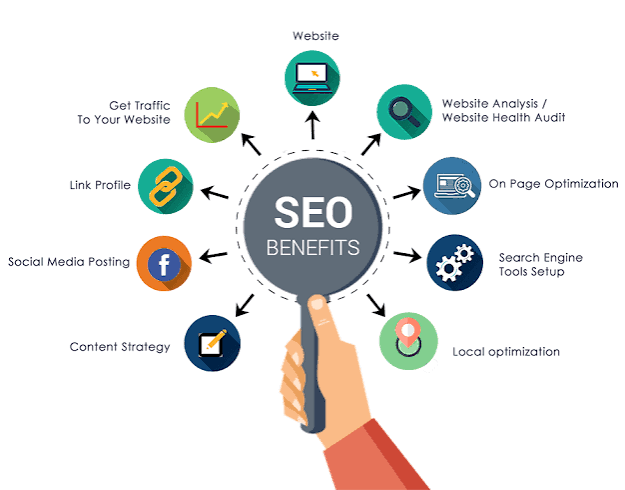
In today’s competitive digital environment, having a website is only the beginning of building a successful online presence. Businesses need to make sure their websites can be discovered by people searching for relevant products, services, and information. This is where seo services become valuable. Search engine optimization helps websites improve their visibility in search results, attract relevant visitors, and create a stronger foundation for long-term organic growth.
A well-planned SEO strategy focuses on more than rankings. It considers website structure, content quality, technical performance, user experience, keywords, backlinks, and search intent. When these elements work together, a website can become more accessible to search engines and more useful to visitors.
Understanding the Importance of SEO
Search engines are often one of the first places people go when they need information or want to find a product or service. Websites that appear prominently for relevant searches have greater opportunities to attract potential customers.
However, achieving strong organic visibility requires ongoing effort. Search algorithms continue to evolve, competitors publish new content, and customer search behavior changes over time. Professional SEO can help businesses respond to these changes through structured optimization and regular performance analysis.
Instead of relying entirely on paid advertising, businesses can use organic search strategies to develop a sustainable source of website traffic.
Keyword Research Builds the Foundation
Keywords connect what people search for with the content businesses provide. Effective keyword research identifies phrases that are relevant to a company’s products, services, and target audience.
Professional SEO services typically analyze search terms according to relevance, competition, search intent, and potential business value. Instead of focusing only on high-volume keywords, a strong strategy may include specific long-tail phrases that attract visitors with clearer purchasing or informational intentions.
Once suitable keywords are identified, they can be incorporated naturally into page titles, headings, descriptions, content, and other relevant areas.
Creating Valuable Website Content
Content plays an important role in organic search performance. Search engines aim to provide users with useful results, so websites should create content that genuinely answers questions and addresses audience needs.
High-quality content can include service pages, product descriptions, blog posts, guides, tutorials, FAQs, case studies, and informational resources. Each piece should have a clear purpose and provide meaningful information rather than simply repeating keywords.
Regular content development can also help businesses target additional search queries and establish greater topical relevance within their industry.
Improving On-Page SEO
On-page optimization focuses on elements that exist directly on a website. These elements can influence how search engines understand individual pages and how users interact with them.
Important areas include page titles, meta descriptions, heading structures, URLs, image optimization, internal links, keyword placement, and content organization.
A properly optimized page should make its subject clear while remaining easy for visitors to read. Internal linking can also help users discover related information while allowing search engines to understand relationships between different pages.
Technical SEO Supports Website Performance
Technical SEO focuses on the underlying structure and functionality of a website. Even excellent content may struggle to perform if technical problems prevent search engines from efficiently accessing or understanding pages.
Technical optimization can include improving website speed, mobile usability, crawlability, indexing, redirects, broken links, site architecture, structured data, and security.
A technically healthy website can provide a better experience for both visitors and search engine crawlers. Regular technical audits can help identify problems before they negatively affect organic performance.
Building a Strong Backlink Profile
Links from other relevant websites can contribute to a website’s authority and credibility. However, the quality and relevance of backlinks are generally more important than simply collecting a large number of links.
A responsible link-building strategy may involve creating useful resources, earning editorial mentions, publishing valuable content, developing industry relationships, and securing relevant placements.
Businesses should avoid relying on manipulative or low-quality link-building practices. Sustainable SEO focuses on earning links that make sense within the context of the website and its audience.
Local SEO for Location-Based Businesses
Businesses that serve customers in specific geographic areas can benefit from local search optimization. Local SEO helps companies improve visibility when people search for nearby services or businesses.
Important elements can include accurate business information, location-focused website content, customer reviews, local citations, and an optimized business profile.
For restaurants, contractors, healthcare providers, retailers, agencies, and other local businesses, appearing in relevant local searches can help attract customers who are actively looking for nearby solutions.
Measuring Organic SEO Performance
SEO should be measured using meaningful performance indicators rather than rankings alone. Businesses can monitor organic traffic, keyword visibility, conversions, engagement, indexed pages, backlinks, and other relevant metrics.
Analytics can reveal which pages are attracting visitors and which search terms are producing valuable results. This information allows marketers to identify opportunities for improvement and adjust strategies when necessary.
For example, a page receiving significant search impressions but few clicks may benefit from improved titles or descriptions. Similarly, pages attracting traffic but generating few conversions may need stronger content, clearer calls to action, or better user experiences.
Why Ongoing Optimization Matters
SEO is not a one-time task. A website can lose visibility if competitors create stronger content, technical issues appear, or search trends change.
Ongoing SEO involves monitoring performance, updating existing content, finding new keyword opportunities, resolving technical problems, improving internal linking, and evaluating competitors.
Refreshing older pages can also provide value. Content that was useful several years ago may become outdated as products, statistics, technologies, or customer expectations change.
Choosing the Right SEO Services
Businesses should evaluate SEO providers carefully before starting a campaign. A good provider should understand the company’s goals, target audience, industry, and competitive environment.
Transparency is also important. Businesses should know what activities are being performed and how progress will be measured. Clear reporting can make it easier to understand which strategies are producing results.
Rather than promising instant rankings, a professional approach should focus on sustainable improvements, relevant traffic, better website performance, and measurable business outcomes.
The Long-Term Value of Organic Growth
One of the biggest advantages of SEO is its potential to create long-term value. Paid campaigns can generate traffic while a budget is active, whereas successful organic optimization can continue attracting visitors after individual optimization tasks have been completed.
This does not mean organic traffic is completely free or guaranteed. Maintaining strong visibility requires investment in content, technical improvements, monitoring, and strategic development. However, a well-optimized website can become an important long-term asset for a business.
Final Thoughts
SEO services provide businesses with a structured approach to improving organic website performance. From keyword research and content development to technical optimization, link building, local SEO, and performance analysis, each component can contribute to a stronger online presence.
The most effective strategy is not simply about reaching the highest possible ranking. It is about connecting the right audience with useful information, creating a positive website experience, and turning organic visibility into meaningful business opportunities.
With consistent optimization and a strategy based on quality and relevance, businesses can build stronger search visibility and establish a more sustainable digital presence.