
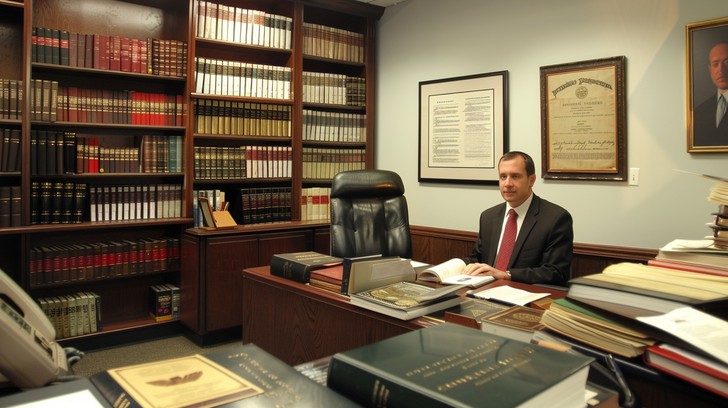
Legal services play an important role in protecting rights, resolving disputes, preparing important documents, and helping people understand complicated laws. However, many individuals and small businesses hesitate to seek legal assistance because they believe it will be expensive, difficult to understand, or inconvenient to access. A modern law office can address these concerns by making legal services easier to find, understand, and use.
Accessibility in legal services is not only about reducing costs. It also involves clear communication, convenient appointment options, transparent processes, and a welcoming environment. When a law office focuses on these areas, more people can confidently seek professional legal guidance when they need it.
Providing Clear and Understandable Legal Information
Legal language can be difficult for people without professional training. Contracts, court documents, regulations, and legal notices often contain terminology that may be unfamiliar to ordinary clients. A law office can improve accessibility by explaining legal matters in straightforward language.
Instead of relying entirely on technical terminology, attorneys and staff can explain important concepts using practical examples. Clients should understand their options, responsibilities, potential risks, and the steps involved in their case.
Clear communication also helps clients prepare better questions. When people understand what is happening, they are more likely to participate actively in decisions concerning their legal matters.
Offering Flexible Consultation Options
Convenience can make a significant difference when someone is considering legal assistance. Traditional office appointments may not always work for people with demanding jobs, family responsibilities, transportation difficulties, or other commitments.
A law office can provide several consultation options, including in-person meetings, telephone conversations, and secure online consultations where appropriate. Flexible scheduling can also help clients find appointment times that fit their daily routines.
Digital communication can make it easier to exchange documents and receive updates, provided that appropriate privacy and security measures are followed. These options can reduce unnecessary travel and make communication more convenient.
Creating Transparent Fee Structures
Cost is one of the most common concerns associated with professional legal services. People may delay seeking advice because they are uncertain about how much a consultation or legal matter will cost.
A law office can improve accessibility by explaining fees clearly before beginning work whenever possible. Written estimates, descriptions of billing arrangements, and explanations of potential additional expenses can help clients make informed decisions.
Depending on the type of legal work, firms may offer different billing arrangements, such as fixed fees for specific services or hourly billing. The appropriate arrangement depends on the matter, applicable professional rules, and the agreement between the attorney and client.
Transparency can also prevent misunderstandings. Clients should know what services are included, what may result in additional charges, and how payments are handled.
Improving Access Through Technology
Technology has changed how many professional services are delivered, and legal services are no exception. A law office can use secure technology to improve communication and document management.
Online appointment systems can allow prospective clients to request consultations without making a phone call. Secure portals can help clients exchange documents and review relevant information. Email and other approved communication tools can also make routine updates more efficient.
Technology should not replace personal legal advice when professional judgment is required. Instead, it can support attorneys and clients by reducing administrative barriers and making routine communication more convenient.
A professional digital presence can also help people locate reliable information. A law office website can provide information about practice areas, consultation procedures, office hours, and general legal resources.
Supporting Clients With Different Needs
Legal clients have different communication preferences and circumstances. Accessibility therefore requires a flexible approach.
A law office can consider accessibility features such as readable website designs, clear forms, accessible office spaces, and alternative communication methods. Staff can also provide reasonable assistance to clients who have difficulty completing paperwork or understanding administrative procedures.
Language can be another important consideration. Where appropriate and permitted, law offices may provide multilingual information or direct clients toward qualified language-support services.
The goal is to ensure that administrative or communication barriers do not unnecessarily prevent people from understanding the legal services available to them.
Offering Educational Resources
People often search for information before deciding whether they need an attorney. A law office can make this process easier by providing educational resources.
Articles, frequently asked questions, guides, checklists, and explanations of common legal processes can help people recognize when professional advice may be appropriate. These resources should make it clear that general educational information is not necessarily a substitute for advice based on an individual’s circumstances.
Educational content can also help clients prepare for consultations. For example, a guide can explain which documents may be useful during an initial meeting. Better preparation can save time and make consultations more productive.
Making the Client Experience More Welcoming
The first interaction with a law office can influence whether someone feels comfortable seeking further assistance. Friendly and respectful administrative staff can create a more welcoming experience.
Clients should be treated with professionalism regardless of the size or complexity of their legal matter. Staff can explain procedures patiently, answer administrative questions, and direct clients to the appropriate attorney or resource.
A welcoming approach does not mean making promises about legal outcomes. Instead, it means ensuring that clients understand the process and know what to expect.
Helping People Identify the Right Legal Service
Legal matters can involve different areas of law, and people may not always know which type of attorney they need. A law office can improve accessibility by clearly describing its practice areas.
For example, information about family law, employment matters, estate planning, business law, real estate issues, or civil disputes can help visitors determine whether a firm handles their particular concern.
Initial intake procedures can also help identify the nature of a client’s issue. When a law office cannot assist with a particular matter, providing general information about alternative resources or appropriate legal services, where possible, can be helpful.
Building Trust Through Consistent Communication
Clients often feel uncertain when they do not know what is happening with their legal matter. Regular communication can make the process easier to understand.
A law office can establish expectations about communication, explain anticipated next steps, and provide appropriate updates. Even when there is no major development, clear communication about timing can help clients understand the status of their matter.
Trust is strengthened when a law office communicates honestly about what it can and cannot do. Attorneys should explain uncertainties and avoid guaranteeing results that cannot reasonably be guaranteed.
Maintaining Professional and Ethical Standards
Accessibility must always be balanced with professional responsibilities. Law offices handle sensitive information and must follow applicable laws, ethical requirements, confidentiality obligations, and professional standards.
Convenient digital services should therefore be supported by appropriate security practices. Client information should be handled carefully, and online communication should use suitable protections.
The same principle applies when legal information is published online. Educational material should be accurate, responsibly presented, and regularly reviewed when laws or regulations change.
Conclusion
A law office can make legal services more accessible by focusing on clarity, convenience, transparency, technology, education, and respectful client service. When legal information is easier to understand and professional assistance is easier to reach, people can make more informed decisions about their legal needs.
Accessibility is ultimately about reducing unnecessary barriers while maintaining professional quality and ethical standards. By designing client-focused processes and communicating clearly, a law office can create a more approachable legal experience for individuals, families, and businesses.
For organizations managing online content, unrelated search terms such as kiss8toto should be kept separate from professional legal information so that visitors can clearly understand the purpose and credibility of a law office’s resources.